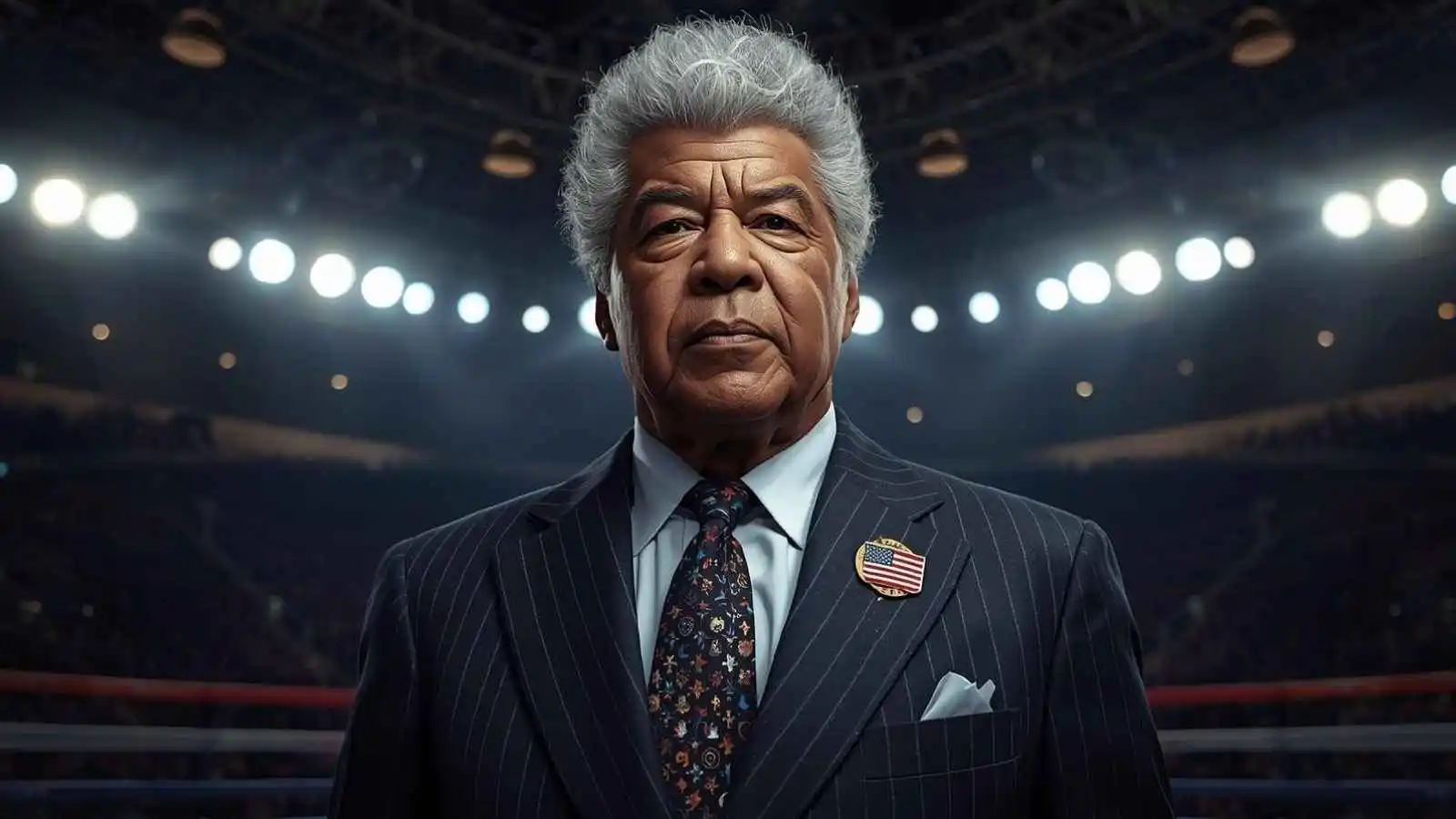
Don King is one of the most iconic and controversial figures in the history of professional boxing. Instantly recognizable by his signature spiked hair and larger-than-life personality, King built a reputation as a master promoter who turned prizefighting into a global entertainment business.
Over several decades, he promoted some of the most legendary bouts of all time, featuring boxing greats such as Muhammad Ali, Mike Tyson, George Foreman, and Evander Holyfield.
These blockbuster events generated enormous pay-per-view sales and helped shape the modern boxing industry.
Because of his massive influence and long career, many fans continue to ask about Don King’s net worth and how much wealth he accumulated from boxing.
While his career brought in hundreds of millions of dollars, it was also marked by lawsuits, controversies, and financial disputes that affected his fortune.
This article takes a deep look at Don King’s net worth, exploring how he made his money, the challenges he faced, and the lasting financial legacy he leaves behind in the world of boxing.
Don King’s Early Life and Background
Don King was born on August 20, 1931, in Cleveland, Ohio, where he grew up in a tough and economically challenged environment. His early life was far removed from the glamour and wealth he would later experience in the boxing world. As a young man, King was known for his sharp mind and persuasive speaking skills, traits that would later become essential to his success as a promoter. However, his path to fame and fortune was not straightforward.
Before entering boxing, Don King was involved in various street-level businesses, including running an illegal gambling operation. His early years were marked by serious legal troubles, including convictions that resulted in time spent in prison. These experiences played a significant role in shaping King’s aggressive, survival-driven approach to business. After serving his sentence, he emerged determined to reinvent himself and pursue legitimate ventures.
King’s turning point came when he decided to channel his hustling instincts into sports promotion. Recognizing boxing’s potential for massive profits and global attention, he set his sights on the fight business. His background, while controversial, gave him a deep understanding of risk, negotiation, and human psychology. These skills allowed him to navigate complex deals and high-pressure situations later in his career.
Don King’s early life is essential to understanding his net worth journey. It highlights how adversity, ambition, and resilience laid the foundation for a man who would go on to dominate the boxing promotion industry and generate enormous wealth through some of the biggest fights in sports history.
Entry Into the Boxing World
Don King’s entry into the boxing world marked the beginning of a dramatic transformation from a troubled past to a powerful sports entrepreneur. After his release from prison, King focused on building a legitimate career and quickly identified boxing as an industry where charisma, promotion, and bold risk-taking could translate into massive financial rewards. His natural ability to persuade and sell ideas became his greatest asset as he sought to establish himself in the fight business.
King’s first major step into boxing promotion came in the early 1970s when he organized local fight events in Ohio. Although these early promotions generated modest profits, they allowed him to build connections within the boxing community and gain experience managing fighters, venues, and promoters. His big break came when he successfully convinced Muhammad Ali to participate in a charity exhibition bout. This opportunity gave King credibility and opened doors that were previously closed to newcomers.
With Ali’s name attached to his promotions, King quickly moved into the global spotlight. He demonstrated an unmatched ability to secure funding, attract international partners, and negotiate television and sponsorship deals. His confidence and relentless salesmanship helped him overcome skepticism from established promoters. Soon, he was arranging fights on a scale rarely seen before.
This period laid the groundwork for Don King’s financial rise. By mastering the business side of boxing early on, he positioned himself to profit from the sport’s biggest stars and events. His entrance into boxing was not just a career shift—it was the foundation of the wealth that would later define Don King’s net worth.
Rise to Fame as a Boxing Promoter
Don King’s rise to fame as a boxing promoter came during the 1970s, a decade that transformed both his career and his financial standing. After gaining credibility through early promotions, King began securing deals for world-class fighters and high-stakes championship bouts. His ability to think big and market fights as global spectacles quickly set him apart from other promoters in the industry.
One of the defining moments in King’s career was promoting The Rumble in the Jungle in 1974, the legendary heavyweight fight between Muhammad Ali and George Foreman in Zaire. The event was a massive success, drawing worldwide attention and generating enormous revenue through international broadcasting rights. King followed this with The Thrilla in Manila in 1975, another historic bout between Ali and Joe Frazier that further cemented his reputation as boxing’s premier promoter.
These events dramatically increased Don King’s earnings and influence. By staging fights in international locations and securing government and corporate backing, King maximized profits while expanding boxing’s global reach. His flair for promotion, combined with his talent for securing lucrative television contracts, allowed him to dominate the heavyweight division.
As his profile grew, so did his income. Don King was no longer just a promoter; he became a central power broker in professional boxing. This rise to fame marked a critical phase in building Don King’s net worth, as he transitioned from local promotions to controlling some of the most profitable fights in sports history.
The Mike Tyson Era and Financial Peak
The most lucrative period of Don King’s career came during his partnership with Mike Tyson, which pushed his earnings to unprecedented levels. In the late 1980s, Tyson emerged as one of the most dominant and marketable heavyweight champions in boxing history. Don King secured an exclusive promotional deal with Tyson, giving him control over some of the highest-grossing fights the sport had ever seen.
Under King’s promotion, Tyson’s fights became global events, generating massive pay-per-view sales, ticket revenue, and international broadcast deals. Each championship bout brought in tens of millions of dollars, with King earning a significant percentage as promoter. This era represented the financial peak of Don King’s net worth, as his influence extended across multiple weight divisions and world title fights.
King’s promotional strategy during the Tyson era focused on hype, controversy, and spectacle. He understood that Tyson’s intimidating image and explosive fighting style attracted worldwide attention, which translated directly into revenue. By packaging fights as must-see events, King ensured maximum financial returns.
However, this period was not without challenges. Legal disputes eventually arose between Tyson and King, including accusations of financial mismanagement and contract manipulation. These lawsuits resulted in costly settlements that impacted King’s long-term wealth. Despite these setbacks, the Tyson era remains the most profitable chapter of Don King’s career.
Overall, Don King’s association with Mike Tyson solidified his status as boxing’s most powerful promoter. It significantly boosted his earnings and played a major role in shaping the fortune that continues to define discussions around Don King’s net worth today.
Major Income Sources Behind Don King’s Net Worth
Don King’s net worth was built through multiple high-revenue streams within the boxing industry, making him one of the most financially successful promoters of his time. At the core of his wealth were boxing promotion fees. As the primary promoter for world championship fights, King earned a percentage of event revenues, including ticket sales, sponsorships, and television rights. These fees alone generated millions of dollars per fight.
Another major income source was pay-per-view revenue. During boxing’s golden era, Don King promoted many of the sport’s biggest PPV events, particularly in the heavyweight division. Fights featuring stars like Mike Tyson, Evander Holyfield, and George Foreman attracted millions of viewers worldwide. Even a small share of PPV earnings translated into enormous profits due to the scale of these events.
International fight promotions also contributed significantly to King’s wealth. By staging bouts in countries such as Zaire, Japan, and the United Kingdom, he secured financial backing from governments and foreign sponsors eager for global exposure. This strategy reduced financial risk while increasing overall profits.
In addition, Don King earned money through broadcasting rights and long-term promotional contracts with fighters. These contracts often granted him exclusive control over a boxer’s fights, ensuring consistent income over several years. Merchandising, licensing, and branding opportunities further supplemented his earnings.
Together, these income streams explain how Don King accumulated substantial wealth over decades. Despite later financial challenges, his diverse revenue model played a crucial role in building the fortune associated with Don King’s net worth.
Business Strategy and Promotional Style
Don King’s business strategy and promotional style were central to his financial success and long-lasting influence in boxing. Unlike traditional promoters who focused mainly on logistics, King understood that boxing was as much about entertainment as it was about sport. He marketed fights as dramatic, high-stakes events, often using bold language, intense rivalries, and media controversy to capture public attention.
One of King’s key strategies was securing exclusive contracts with top fighters. These agreements gave him control over matchmaking, broadcasting rights, and international promotions, allowing him to maximize profits across multiple fights. While these contracts were highly lucrative for King, they also became a source of controversy and legal disputes, as some fighters later claimed they were unfair or misleading.
King was also a master negotiator. He frequently leveraged competition between television networks, venues, and sponsors to drive up fight purses and promotional fees. By creating bidding wars, he ensured that his events commanded premium prices. His willingness to take financial risks, especially when promoting major fights in unconventional locations, often paid off in massive global exposure and revenue.
Another defining aspect of King’s promotional style was his personal brand. His distinctive appearance and outspoken personality made him a media figure in his own right. This visibility helped him stay relevant and influential even when he was not directly promoting fights.
Overall, Don King’s aggressive, high-risk business approach significantly contributed to his wealth. While it brought legal challenges, it also helped build the financial empire that defines Don King’s net worth and his legacy in boxing history.
Lawsuits, Controversies, and Financial Setbacks
Despite his enormous success, Don King’s career has been heavily marked by lawsuits and controversies that significantly impacted his finances. Over the years, numerous boxers accused King of unethical business practices, including misrepresentation of contracts, withheld earnings, and financial manipulation. These allegations led to multiple high-profile legal battles that cost King millions of dollars in settlements and legal fees.
One of the most notable disputes involved Mike Tyson, who sued King for financial mismanagement after their professional relationship ended. The lawsuit was eventually settled for a substantial sum, reducing King’s overall wealth. Other fighters, including Evander Holyfield and Lennox Lewis, also pursued legal action, further adding to King’s financial strain. While King often denied wrongdoing, the sheer volume of lawsuits affected both his reputation and net worth.
Beyond legal disputes with fighters, King faced criticism from boxing organizations and industry insiders who questioned his promotional ethics. These controversies sometimes limited his ability to secure top-tier talent and major broadcasting deals in later years. As the boxing industry evolved, newer promoters with cleaner reputations and modern business models gained prominence, reducing King’s market dominance.
Financially, these setbacks contributed to fluctuations in Don King’s net worth. Although he had earned hundreds of millions during his peak years, ongoing legal costs and declining promotional opportunities gradually eroded his fortune. This phase of his career illustrates how legal and reputational challenges can have long-term financial consequences, even for the most successful sports promoters.
Don King’s Net Worth Over the Years
Don King’s net worth has fluctuated significantly over the decades, reflecting both his extraordinary success and the challenges he faced throughout his career. During the height of his influence in the late 1970s through the 1990s, King was considered one of the richest figures in boxing. At his financial peak, he reportedly generated hundreds of millions of dollars in revenue by promoting blockbuster fights that dominated global pay-per-view markets.
In the 1980s and early 1990s, Don King’s net worth was at its highest, driven largely by his exclusive promotion of heavyweight champions like Mike Tyson, Evander Holyfield, and Larry Holmes. At that time, industry insiders speculated that his personal fortune reached well into the hundreds of millions. However, exact figures were difficult to verify due to private business dealings and complex contracts.
As legal battles increased and major fighters moved on to other promoters, King’s income declined. Costly settlements, ongoing legal fees, and reduced involvement in top-tier events gradually lowered his net worth. Additionally, changes in the boxing industry, including new promotional companies and shifts in broadcasting models, further impacted his earning potential.
In recent years, Don King’s net worth has been estimated at a much lower figure compared to his peak, though he remains financially comfortable. While no longer the dominant force he once was, King’s legacy earnings continue to support his lifestyle. His financial journey highlights how fortunes in professional sports can rise rapidly and decline just as dramatically, making Don King’s net worth a story of both immense wealth and hard-earned lessons.
Assets, Investments, and Lifestyle
Over the course of his long career, Don King accumulated a variety of assets that contributed to his overall net worth. While much of his wealth came directly from boxing promotions, King also invested in real estate and business ventures that helped preserve his earnings beyond the ring. He reportedly owned multiple properties, including a well-known estate in Ohio, which became one of his most recognizable personal assets.
Unlike many sports executives known for extravagant lifestyles, Don King’s spending habits have often been described as relatively conservative. Although he enjoyed the spotlight and lived comfortably, he was not widely known for excessive luxury purchases such as fleets of supercars or lavish international mansions. Instead, his public image focused more on his flamboyant personality and branding rather than material display.
King’s investments outside boxing were generally private, making it difficult to assess their full value. However, these ventures provided additional financial stability during periods when his boxing income declined. His long-term approach to asset ownership helped him maintain financial security even as his prominence in the sport diminished.
Lifestyle-wise, Don King remained a visible figure at major boxing events, award ceremonies, and media appearances well into his later years. His iconic look and confident demeanor continued to generate public interest, which occasionally translated into appearance fees and consulting opportunities.
Overall, Don King’s assets and lifestyle reflect a balance between financial caution and public flair. While his net worth may have decreased from its peak, his investments and controlled spending played a role in sustaining his wealth over time.
Influence on Modern Boxing and Financial Legacy
Don King’s influence on modern boxing extends far beyond his personal net worth. He fundamentally changed how boxing was promoted, marketed, and monetized. Before King’s rise, boxing promotions were often localized and limited in scale. King introduced the idea of turning championship fights into global spectacles, complete with international venues, massive media coverage, and record-breaking pay-per-view sales.
Financially, King helped establish the pay-per-view model as a cornerstone of boxing revenue. This approach reshaped the sport’s economics and paved the way for modern promoters to generate enormous income from broadcasting rights and digital platforms. Many of today’s top promoters adopted strategies that King pioneered, even if they refined them to fit a more transparent business environment.
King also played a major role in expanding boxing’s global reach. By staging fights in Africa, Asia, and Europe, he demonstrated that boxing could thrive outside traditional markets. These international promotions brought new audiences, increased sponsorship opportunities, and higher fighter purses, all of which remain central to boxing’s business model today.
From a legacy standpoint, Don King’s career is both admired and criticized. Supporters credit him with elevating boxing to unprecedented financial heights, while critics highlight the controversies that surrounded his dealings. Regardless of opinion, his impact is undeniable.
Ultimately, Don King’s financial legacy is defined by innovation, risk-taking, and influence. Even as newer promoters dominate the sport, King’s methods continue to shape how boxing generates revenue, ensuring his place in the financial history of professional boxing.
Comparisons With Other Boxing Promoters
Comparing Don King with other major boxing promoters helps put his net worth and influence into perspective. Throughout his career, King was often measured against figures like Bob Arum, Eddie Hearn, and later-generation promoters who followed different business models. While each promoter achieved success, Don King’s approach and impact were uniquely transformative.
Bob Arum, founder of Top Rank, is frequently mentioned alongside King. Unlike King’s aggressive and controversial style, Arum focused on long-term relationships and structured promotion. Financially, both promoters generated immense wealth, but Arum’s steadier approach allowed him to maintain influence for a longer period with fewer legal setbacks. This contrast highlights how King’s high-risk strategy led to higher peaks but sharper declines.
Eddie Hearn represents a modern era of boxing promotion, driven by digital platforms, global branding, and transparency. While Hearn’s net worth continues to grow in today’s market, his success builds on foundations laid by promoters like King, particularly in global event promotion and media rights negotiation.
What truly set Don King apart was his dominance of the heavyweight division during boxing’s most lucrative era. Few promoters controlled as many championship fights or top-tier fighters simultaneously. This dominance allowed King to generate massive revenues unmatched by many of his peers.
In financial terms, Don King may not currently be the wealthiest boxing promoter, but his historical impact remains unmatched. His career serves as a benchmark against which all boxing promoters are compared, both financially and culturally.
Current Status and Where Don King Stands Today
In recent years, Don King has largely stepped back from the day-to-day dominance he once held in professional boxing, but his presence in the sport has not completely disappeared. Now in his 90s, King remains a symbolic figure whose name is closely tied to boxing’s most iconic eras. While he no longer regularly promotes major pay-per-view events, he has occasionally been involved in smaller promotions and special appearances.
Financially, Don King’s net worth today is a fraction of what it was during his peak decades. However, he is still considered financially stable, supported by past earnings, remaining business interests, and long-held assets. Unlike many figures who fade entirely from the spotlight, King continues to generate income through licensing of his brand, consulting roles, and media appearances related to boxing history.
The modern boxing landscape is now dominated by newer promoters and promotional companies with digital-first strategies and global streaming partnerships. This shift has reduced King’s relevance in current championship promotions, but it has not erased his influence. Many of the systems and revenue models in place today are rooted in the framework he helped build.
From a legacy perspective, Don King is remembered as both a genius promoter and a deeply polarizing figure. His current status reflects a long career filled with extraordinary highs and significant challenges. While his net worth may no longer headline business news, his impact on boxing’s financial structure ensures that Don King remains an enduring name in sports history.
Public Perception and Media Portrayal
Don King’s public perception has always been complex, shaped by equal parts admiration and controversy. In the media, he is often portrayed as a larger-than-life character—instantly recognizable by his wild hair, patriotic rhetoric, and charismatic speech. For many boxing fans, King represents the golden era of heavyweight boxing, a time when fights felt monumental and fighters became global superstars.
Supporters credit Don King with revolutionizing boxing promotion and giving fighters unprecedented exposure and earning potential. They argue that his promotional genius helped elevate the sport into mainstream global entertainment. From this perspective, King is seen as a visionary who understood how to sell drama, rivalry, and spectacle better than anyone before him.
On the other hand, critics and investigative media outlets have frequently highlighted allegations of unethical practices, lawsuits, and disputes with fighters. These stories have significantly influenced how King is remembered, often casting a shadow over his financial success. Media coverage of legal battles reinforced the narrative of a promoter willing to push ethical boundaries for profit.
Despite the criticism, Don King has remained unapologetic and confident in public interviews, often defending his actions as standard business practice in a ruthless industry. This unwavering self-belief has become part of his public identity.
Overall, media portrayal has played a major role in shaping opinions about Don King’s net worth and career. Whether viewed as a brilliant businessman or a controversial opportunist, his ability to stay relevant in public discourse speaks to the lasting power of his persona.
Frequently Asked Questions (FAQs)
What is Don King’s net worth?
Don King’s net worth is estimated to be in the tens of millions of dollars. While he earned hundreds of millions during his peak years as a boxing promoter, lawsuits, legal settlements, and reduced promotional activity have significantly impacted his overall fortune.
How did Don King make his money?
Don King made most of his money through boxing promotions, earning fees from ticket sales, pay-per-view revenue, broadcasting rights, and international fight deals. He promoted legendary fights featuring stars like Muhammad Ali, Mike Tyson, and Evander Holyfield.
Was Don King ever a billionaire?
There is no verified evidence that Don King was ever a billionaire. Although he generated enormous revenue at the height of his career, his personal net worth is believed to have peaked in the hundreds of millions, not billions.
Did lawsuits affect Don King’s net worth?
Yes, lawsuits had a major impact on Don King’s net worth. High-profile legal disputes with fighters such as Mike Tyson and Evander Holyfield resulted in costly settlements and long-term financial strain.
Is Don King still active in boxing?
Don King is no longer actively promoting major boxing events. However, he occasionally appears at boxing-related events and may be involved in limited promotional or advisory roles.
What was Don King’s most profitable era?
Don King’s most profitable era was during the 1980s and early 1990s, especially when he promoted Mike Tyson’s heavyweight championship fights, which generated massive pay-per-view revenue.
Why is Don King so famous?
Don King is famous for promoting some of the most iconic boxing matches in history and for his flamboyant personality, distinctive hairstyle, and controversial business practices.
Conclusion
Don King’s net worth tells the story of a man who rose from a troubled past to become one of the most powerful and influential figures in boxing history.
Through bold promotion, sharp negotiation skills, and an unmatched ability to create global spectacles, King helped transform boxing into a multi-billion-dollar entertainment industry.
His work with legendary fighters such as Muhammad Ali, Mike Tyson, and Evander Holyfield generated enormous wealth and defined some of the sport’s most iconic moments.
However, Don King’s financial journey was not without controversy. Lawsuits, legal disputes, and changing industry dynamics significantly affected his fortune over time.
While his net worth today is far lower than it was at its peak, his impact on boxing remains undeniable.
King’s career serves as a powerful example of how ambition and innovation can create extraordinary success, while also highlighting the risks of aggressive business practices.
Ultimately, Don King’s legacy extends beyond numbers. His influence on modern boxing promotion, pay-per-view economics, and global fight marketing ensures that his name will remain a central part of boxing history, regardless of how his net worth has fluctuated over the years.