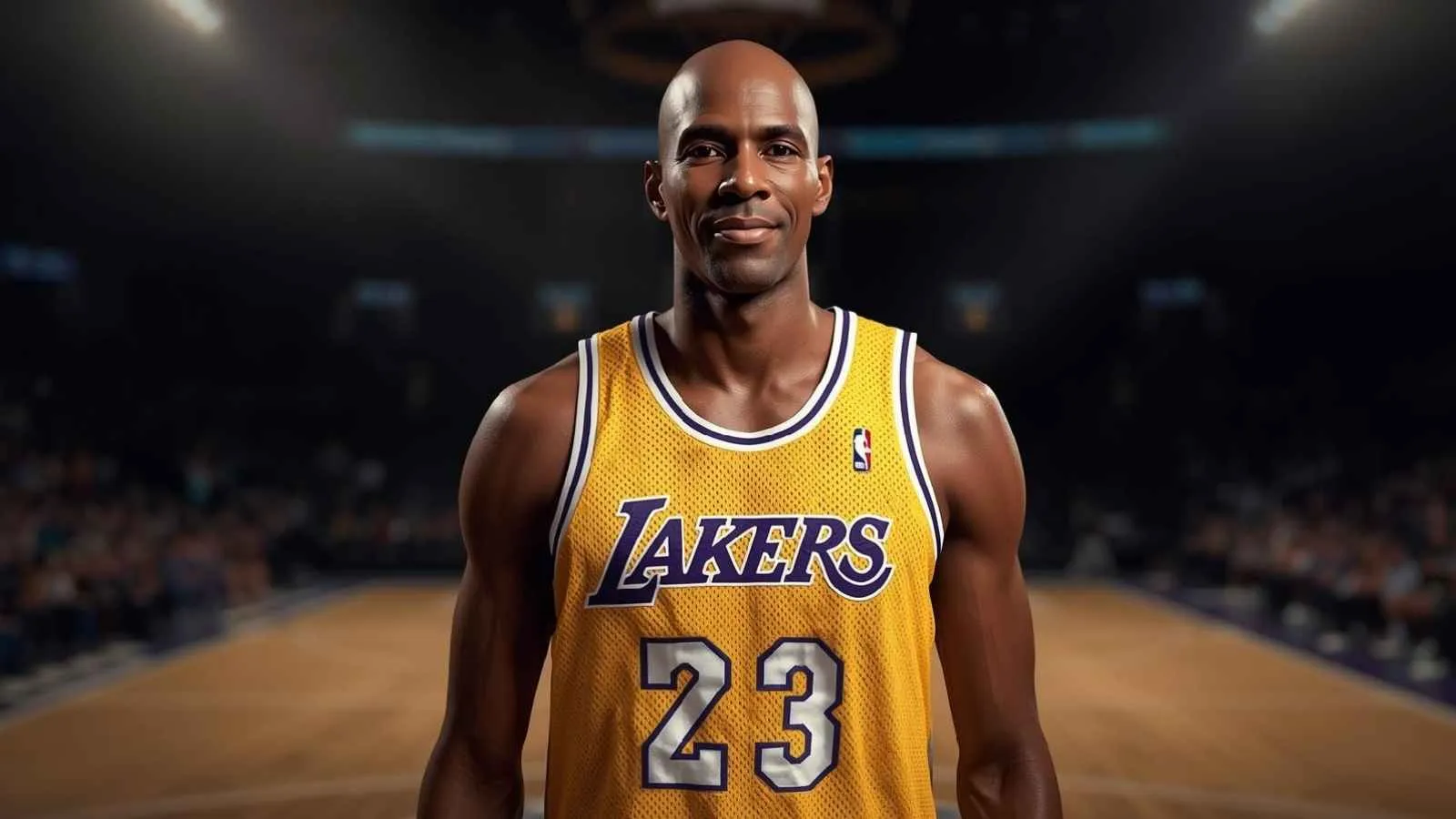
Kareem Abdul-Jabbar is more than just one of the greatest basketball players in NBA history—he is a cultural icon whose influence spans sports, education, and social commentary. As the NBA’s all-time leading scorer for nearly four decades and a six-time league MVP, Kareem dominated professional basketball during an era very different from today’s billion-dollar sports economy. Because of that, many fans are curious about Kareem Abdul-Jabbar’s net worth and how it compares to modern superstars.
As of 2026, Kareem Abdul-Jabbar’s net worth is estimated to be between $20 million and $25 million, built through a combination of NBA salaries, endorsements, book royalties, media appearances, and long-term investments. While his wealth may seem modest compared to today’s highest-paid athletes, it reflects a career defined by longevity, intelligence, and success beyond the court. This article takes a deep look at how Kareem Abdul-Jabbar built his fortune—and why his legacy is worth far more than money alone.
Kareem Abdul-Jabbar Net Worth in 2026
As of 2026, Kareem Abdul-Jabbar’s net worth is estimated to be between $20 million and $25 million, according to multiple celebrity finance and sports business sources. While exact figures vary, this range reflects decades of earnings across basketball, media, publishing, and public speaking rather than a single massive payday. Understanding Kareem’s net worth requires context—he played the majority of his NBA career long before today’s era of max contracts, luxury taxes, and billion-dollar television deals.
During the 1970s and 1980s, even the league’s biggest stars earned salaries that would be considered modest by modern standards. At his peak, Kareem was one of the highest-paid players in the NBA, yet his annual income still fell far below what today’s elite players earn in a single season. Adjusted for inflation, his career earnings are far more impressive, but they still highlight the financial limitations of his era.
What sets Kareem Abdul-Jabbar apart is how he sustained and grew his wealth after retirement. Unlike many former athletes who rely solely on pensions or endorsements, Kareem built multiple long-term income streams. These include book royalties from best-selling titles, paid speaking engagements, consulting roles, documentary appearances, and licensing related to his NBA legacy. He also benefits from NBA pension and healthcare programs designed to support retired players.
Rather than chasing flashy investments or risky ventures, Kareem has been known for a disciplined and thoughtful financial approach. His net worth reflects stability, intellectual capital, and longevity—making it a strong example of how elite athletes from earlier generations preserved wealth without the advantages of today’s sports economy.
Early Life and Financial Background
Kareem Abdul-Jabbar was born Ferdinand Lewis Alcindor Jr. on April 16, 1947, in New York City. Raised in Harlem, he grew up in a disciplined household that emphasized education, personal responsibility, and intellectual development—values that would later shape both his career and financial decisions. From an early age, Kareem’s extraordinary height and athletic ability set him apart, but his parents also encouraged academic excellence, ensuring he developed interests beyond sports.
His basketball dominance became nationally recognized during his time at Power Memorial Academy, where he led his team to multiple city championships. This success earned him a scholarship to the University of California, Los Angeles (UCLA), one of the most prestigious basketball programs in the country. Under legendary coach John Wooden, Kareem won three national championships and became one of the most celebrated college players in history. However, unlike modern athletes, Kareem did not benefit from endorsement deals or name, image, and likeness (NIL) income during his college years.
When Kareem entered the NBA in 1969 as the first overall pick, the league was still financially developing. Rookie contracts were modest, and players had limited leverage compared to today’s stars. Despite his immediate impact and star status, Kareem’s early professional earnings were conservative by modern standards. This reality forced him to approach money carefully from the start of his career.
These formative years played a critical role in shaping Kareem Abdul-Jabbar’s financial mindset. Without the safety net of massive early wealth, he learned to value long-term planning, education, and sustainability—principles that would later help him maintain financial stability long after his playing days ended.
NBA Career Earnings (1969–1989)
Kareem Abdul-Jabbar’s NBA career spanned 20 seasons, from 1969 to 1989, during which he established himself as one of the most dominant and consistent players in basketball history. He began his professional career with the Milwaukee Bucks, making an immediate impact by leading the team to its first NBA championship in 1971. Despite his superstar status, the financial landscape of the NBA at the time placed strict limits on player salaries.
Kareem’s rookie contract with the Bucks was modest compared to modern standards, even for a number-one overall draft pick. Throughout the 1970s, NBA salaries gradually increased, and by the time he joined the Los Angeles Lakers in 1975, Kareem had become one of the league’s highest-paid players. During his peak years with the Lakers, especially throughout their championship runs in the 1980s, his annual salary reached levels that reflected his value—but still fell far short of today’s maximum contracts.
Over the course of his career, Kareem Abdul-Jabbar is estimated to have earned approximately $25 million in NBA salary before taxes and inflation adjustments. When adjusted for inflation, this figure becomes significantly higher, underscoring just how underpaid even the greatest players of his era were compared to modern stars.
While Kareem never earned the type of generational wealth now common among elite athletes, his steady income over two decades provided a strong financial foundation. More importantly, his long career allowed him to transition smoothly into post-retirement opportunities. His NBA earnings were not the peak of his financial success but rather the starting point for building a diversified and sustainable fortune that continued to grow long after he left the court.
Endorsements and Sponsorship Deals
Endorsements and sponsorships played a smaller but still meaningful role in Kareem Abdul-Jabbar’s net worth, especially when viewed through the lens of his era. During the 1970s and early 1980s, endorsement opportunities for NBA players were far more limited than they are today. The league had less global reach, fewer television deals, and minimal athlete-driven branding. Despite these limitations, Kareem secured several notable partnerships that added to his long-term wealth.
One of his most significant endorsement relationships was with Adidas, making him one of the early NBA stars to align with a major global sportswear brand. This partnership was historically important, as it helped pave the way for future athlete–brand collaborations. However, Kareem never pursued endorsements as aggressively as some of his peers. His outspoken views on social issues and preference for privacy sometimes made brands hesitant, which reduced the number of commercial opportunities available to him.
In addition to footwear and apparel, Kareem earned income through select appearances, promotional campaigns, and licensed merchandise connected to his basketball legacy. Over time, his endorsements shifted from performance-based deals to legacy and honor-based partnerships, particularly after retirement.
While endorsement income never matched his basketball earnings, it provided a steady supplementary revenue stream. More importantly, Kareem’s credibility, intellect, and cultural influence helped maintain his relevance long after his playing career ended. Rather than maximizing short-term profits, he prioritized alignment with brands that respected his values. This approach limited immediate earnings but strengthened his long-term reputation—an asset that continues to support his financial stability and public standing today.
Acting, Film, and Television Income
In addition to basketball and endorsements, Kareem Abdul-Jabbar expanded his income through acting, film, and television appearances, further diversifying his financial portfolio. While he never pursued acting as a full-time career, his unique presence, intelligence, and cultural relevance made him a natural fit for select roles in Hollywood and media.
Kareem is most famously remembered for his comedic performance as co-pilot Roger Murdock in the 1980 film Airplane!, a role that introduced him to a broader, non-sports audience. The film’s lasting popularity helped solidify his crossover appeal and contributed to long-term residual income. Beyond feature films, he has appeared in documentaries, television specials, and guest roles that highlight his basketball legacy and historical perspective.
Over the years, Kareem has also been a frequent subject and contributor to sports documentaries and NBA-related programming. These appearances often include licensing fees, speaking compensation, and royalties tied to rebroadcasts and streaming platforms. As sports media expanded globally, demand for expert commentary from respected figures like Kareem increased, providing additional income opportunities well into retirement.
While acting and television never became his primary source of wealth, they played an important supporting role in Kareem Abdul-Jabbar’s overall net worth. More importantly, these ventures reinforced his public image as more than just an athlete. By maintaining visibility in entertainment and media, Kareem preserved his relevance across generations, allowing him to continue monetizing his legacy through interviews, retrospectives, and special appearances long after his NBA career ended.
Writing, Books, and Journalism Revenue
Writing has become one of the most significant and enduring sources of income in Kareem Abdul-Jabbar’s post-NBA career. Known for his intellect and articulate voice, Kareem successfully transitioned from professional athlete to respected author, historian, and cultural commentator. Over the years, he has written or co-written more than a dozen books, covering topics that range from basketball and memoirs to history, politics, and social justice.
Several of his books have achieved best-seller status, generating long-term revenue through advances, royalties, and international distribution. Unlike short-term endorsement deals, book royalties provide recurring income, especially as his works continue to be used in educational settings and referenced in discussions about sports history and race in America. This has made publishing a reliable and sustainable contributor to his net worth.
In addition to books, Kareem has built a steady income stream through journalism. He has written columns and essays for major publications, offering commentary on sports, culture, and current events. These writing engagements not only pay per piece or per contract but also reinforce his reputation as a thought leader, increasing demand for speaking engagements and media appearances.
Kareem’s success as a writer sets him apart from many former athletes. Rather than relying solely on fame, he leveraged knowledge, research, and credibility to build a second career. This intellectual brand has allowed him to remain financially independent and culturally relevant well into retirement. Over time, writing has proven to be one of the most valuable and overlooked contributors to Kareem Abdul-Jabbar’s overall wealth.
Public Speaking, Appearances, and Consulting
Public speaking and professional appearances have become another important pillar of Kareem Abdul-Jabbar’s income since retiring from the NBA. Thanks to his legendary basketball career, intellectual credibility, and decades of public engagement, Kareem is a highly sought-after speaker at universities, corporate events, conferences, and cultural institutions. His speaking topics often include leadership, social justice, education, sports history, and personal development.
Kareem’s speaking fees vary depending on the event and format, but as a globally recognized figure, he commands premium compensation for keynote appearances. These engagements provide a flexible and lucrative income stream, allowing him to monetize his experience without the physical demands of professional sports. In many cases, speaking appearances also lead to consulting opportunities, panel discussions, and long-term advisory roles.
Beyond traditional speaking events, Kareem has served as a consultant and contributor for sports organizations, educational programs, and media projects. His insights into basketball history, athlete development, and cultural issues make him a valuable asset for documentaries, museums, and academic initiatives. These roles often include consulting fees and licensing agreements tied to his name and expertise.
Public appearances also help sustain Kareem Abdul-Jabbar’s brand value. By remaining visible and engaged with the public, he strengthens demand for his books, media work, and legacy-related projects. Rather than relying on a single revenue source, Kareem has built a well-balanced post-retirement income model. Public speaking and consulting do not just contribute financially—they reinforce his long-term relevance, ensuring his influence and earning power continue decades after his playing career ended.
Investments, Pensions, and Financial Planning
A key reason Kareem Abdul-Jabbar has maintained long-term financial stability is his disciplined approach to investments and financial planning. Unlike many athletes who experienced financial difficulties after retirement, Kareem prioritized sustainability, education, and careful money management throughout his career. His conservative financial mindset helped protect his wealth across multiple decades.
One important component of Kareem’s income is the NBA pension and benefits system, which provides retired players with lifetime financial support and healthcare coverage. As a 20-year veteran of the league, Kareem qualifies for the highest tier of NBA pension benefits. While these payments are not massive compared to modern contracts, they offer steady, reliable income and significantly reduce long-term living and medical expenses.
In terms of investments, Kareem has generally avoided high-risk ventures and speculative business deals. Instead, he has favored long-term, lower-risk assets that provide stability rather than rapid growth. Real estate has reportedly played a role in his investment strategy, offering both appreciation and passive income over time. While he has kept many details private, this measured approach has helped preserve his net worth.
Kareem has also spoken openly about the importance of financial literacy for athletes, emphasizing planning, education, and responsible spending. By surrounding himself with knowledgeable advisors and making informed decisions, he avoided many of the pitfalls that affected players from earlier eras.
Overall, Kareem Abdul-Jabbar’s financial planning reflects patience and foresight. His wealth may not be inflated by modern mega-deals, but it has endured—proving that careful management and long-term thinking can be just as valuable as earning power itself.
Lifestyle, Spending Habits, and Philanthropy
Kareem Abdul-Jabbar’s lifestyle has long reflected moderation, purpose, and personal values rather than extravagance. Unlike many high-profile athletes, he has never been known for excessive spending on luxury cars, oversized mansions, or flashy public displays of wealth. This restrained approach to spending has played a significant role in preserving his net worth over time.
Throughout his career and retirement, Kareem has focused on living comfortably rather than lavishly. His financial decisions suggest a preference for stability and independence, allowing him to maintain control over his resources without unnecessary financial pressure. This mindset helped him avoid the debt and financial mismanagement that affected many athletes from earlier generations.
Philanthropy has also been an important part of Kareem’s life. He has supported numerous charitable causes, particularly those related to education, social justice, civil rights, and community development. Rather than using philanthropy for publicity, Kareem has often contributed quietly, aligning his giving with his long-standing commitment to activism and public service. He has also worked with educational institutions and nonprofit organizations to promote literacy, historical awareness, and youth development.
While charitable giving does reduce overall net worth, Kareem has consistently viewed philanthropy as an investment in society rather than a financial loss. His willingness to support meaningful causes reflects a broader definition of success—one that prioritizes impact over accumulation.
By combining modest spending habits with intentional giving, Kareem Abdul-Jabbar has built a lifestyle rooted in values and sustainability. This balanced approach not only preserved his wealth but also strengthened his legacy as a figure whose influence extends far beyond financial metrics.
Financial Challenges and Setbacks
Despite his legendary status, Kareem Abdul-Jabbar’s financial journey was not without challenges. Like many professional athletes from earlier generations, he entered the NBA at a time when financial education, wealth management resources, and player protections were limited. Early in his career, Kareem faced several financial missteps that would later shape his cautious approach to money.
One of the most significant challenges came during the early years of his professional life, when poor financial advice and mismanaged investments led to notable losses. These experiences were not uncommon for athletes of his era, many of whom relied on advisors without the safeguards and transparency available today. For Kareem, these setbacks served as critical learning moments rather than long-term obstacles.
In addition to investment losses, Kareem dealt with the financial realities of a changing league. Player salaries during his prime did not reflect the revenue he helped generate for the NBA, limiting his ability to build wealth through basketball alone. Taxes, agent fees, and lifestyle expenses further reduced take-home earnings, making long-term planning essential.
Rather than allowing these challenges to derail his financial future, Kareem adapted. He became more involved in managing his finances, sought knowledgeable advisors, and diversified his income sources beyond basketball. Writing, speaking, and media work became not just creative outlets but practical solutions to financial vulnerability.
These experiences ultimately strengthened Kareem Abdul-Jabbar’s financial discipline. His ability to recover from early setbacks and build lasting stability underscores an important lesson: long-term wealth is not defined by avoiding mistakes entirely, but by learning from them and making informed decisions moving forward.