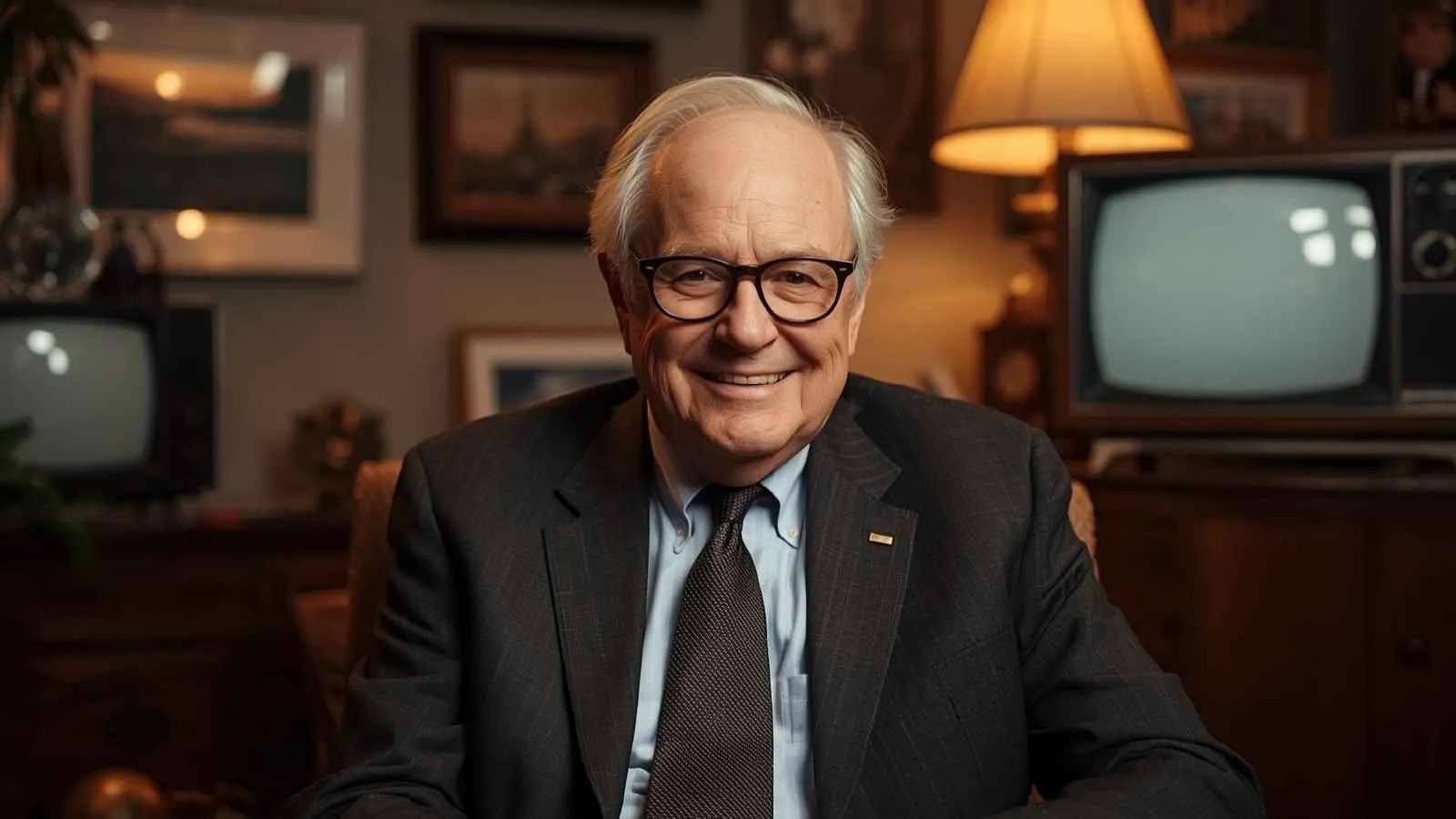
Norman Lear is a name synonymous with groundbreaking television. As the creative mind behind iconic shows like All in the Family, The Jeffersons, and Good Times, Lear not only transformed American entertainment but also shaped cultural conversations around race, politics, and social issues. While his impact on TV and society is widely celebrated, many are curious about the financial side of his success. Over decades of producing, writing, and managing his media ventures, Lear has amassed significant wealth, earning him a place among the richest figures in television history. In this article, we’ll take an in-depth look at Norman Lear’s net worth, exploring how he built his fortune, the sources of his income, and how his creative genius translated into financial success. From his early career struggles to his status as a media mogul, this guide covers everything you need to know about the man behind some of America’s most beloved TV shows.
Early Life and Career Beginnings
Norman Lear was born on July 27, 1922, in New Haven, Connecticut, to a Jewish family. From an early age, he showed a keen interest in storytelling and performance, though his path to Hollywood was far from straightforward. After graduating high school, Lear briefly attended college, but his ambitions were interrupted by World War II, during which he served in the U.S. Army.
Following his military service, Lear moved to New York City, where he began working in the entertainment industry. He initially took on small writing jobs, including crafting radio scripts and writing for early television. These early experiences allowed him to understand the mechanics of storytelling, comedy, and audience engagement. However, Lear’s big break did not come overnight; he spent years navigating a competitive industry, learning the business side of media, and building connections that would later prove invaluable.
In the 1950s and 1960s, Lear transitioned from writing to television production, identifying a unique opportunity to create shows that were not only entertaining but socially relevant. His innovative approach—combining humor with real-life social issues—set him apart from other producers of the era. This period of trial, experimentation, and persistence laid the foundation for his later success, shaping the vision that would eventually lead to some of the most iconic and financially successful TV shows in American history.
Breakthrough in Television
Norman Lear’s true breakthrough came in the early 1970s, when he began producing television shows that would redefine American entertainment. His first major hit, All in the Family (1971), broke conventional TV norms by addressing controversial topics such as racism, sexism, and political division—subjects rarely discussed openly on television at the time. The show’s bold storytelling and relatable characters captured viewers’ attention and became an instant cultural phenomenon.
Following this success, Lear produced a string of highly influential shows, including The Jeffersons, Good Times, Maude, and One Day at a Time. Each series reflected his signature approach: blending humor with social commentary. This unique formula not only earned critical acclaim but also generated massive ratings, solidifying Lear’s reputation as a visionary producer.
Financially, these shows were game-changers. Syndication deals, reruns, and international broadcasts turned Lear’s creative projects into long-term revenue streams. Unlike many of his contemporaries, Lear maintained ownership and control over the rights to his shows, ensuring continued royalties that significantly contributed to his net worth.
By the mid-1970s, Lear was no longer just a television producer; he had become a media mogul. His innovative shows influenced an entire generation of writers and producers while simultaneously establishing a sustainable business model that merged entertainment with profitability. This period marked the turning point where Lear’s cultural impact and financial success began to grow hand in hand.
Norman Lear’s Career Achievements and Contributions
Norman Lear’s career is a testament to both creativity and vision. Over decades, he produced dozens of television shows that not only entertained millions but also reshaped the cultural landscape. Beyond his most famous hits like All in the Family, The Jeffersons, and Good Times, Lear was involved in shows such as Maude, One Day at a Time, and Sanford and Son. Each project reflected his commitment to tackling social issues through humor, a hallmark that set him apart from other producers of his era.
Lear’s influence extended beyond storytelling. He was a pioneer in retaining ownership of his work, a move that ensured long-term financial benefits and inspired future generations of producers to value intellectual property. His shows won numerous Emmys, Golden Globes, and Peabody Awards, earning him both critical acclaim and industry respect.
In addition to his entertainment achievements, Lear also co-founded production companies like T.A.T. Communications Company, which later became Act III Communications, helping launch other successful media ventures. His work not only shaped television comedy but also served as a platform for social commentary, addressing topics such as racial inequality, gender dynamics, and political discourse—issues that were often considered taboo on mainstream TV.
Through decades of innovation, Lear has left an indelible mark on television. His ability to merge profitability with meaningful storytelling demonstrates why he is celebrated not just as a producer, but as a cultural force. His creative and business acumen laid the foundation for the wealth and enduring legacy he enjoys today.
Norman Lear Net Worth: Detailed Breakdown
As of 2026, Norman Lear’s estimated net worth is around $400 million, a testament to decades of creative and business success. Much of his fortune comes from his pioneering work in television, where he not only created hit shows but also retained ownership of their rights—a move that continues to generate significant income through syndication and royalties.
Lear’s primary income source has been his television productions. Shows like All in the Family, The Jeffersons, and Good Times remain popular in reruns, streaming platforms, and international markets, ensuring a steady flow of revenue. In addition to production, Lear also benefited financially from strategic business ventures. He co-founded T.A.T. Communications Company, later known as Act III Communications, which produced additional shows and allowed him to profit from the broader media industry.
Beyond TV, Lear has earned through film projects, licensing deals, and investments. By maintaining control over the intellectual property of his shows, he has ensured long-term earnings that many producers of his era did not secure. Syndication, in particular, has been a key driver of wealth, with popular series continuing to air decades after their original release.
Lear’s financial success is matched by his wise management of assets, including investments in various entertainment and media ventures. His ability to merge creative innovation with business strategy makes him not only a cultural icon but also one of the most financially successful television producers in history. Norman Lear’s net worth reflects the enduring value of combining talent, foresight, and smart ownership in the entertainment industry.
Lifestyle and Personal Life
Despite his immense wealth, Norman Lear has maintained a relatively modest and grounded lifestyle. Known for his down-to-earth personality, he has focused more on creative pursuits and philanthropy than on extravagant displays of wealth. Lear has lived primarily in California, enjoying a comfortable life while remaining deeply connected to the television industry and his philanthropic interests.
Lear’s family has always been central to his life. He was married to Frances Lear, with whom he shared a long partnership, and has children who have occasionally been involved in media and creative endeavors. While he keeps his personal life largely private, it is clear that family and meaningful relationships play a significant role in his overall life satisfaction.
Hobbies and interests for Lear include reading, staying informed about social issues, and supporting artistic projects that align with his values. He is known to spend time mentoring younger creators, sharing insights about television production, storytelling, and navigating the business side of entertainment.
Financially, Lear’s approach has always emphasized sustainability over extravagance. He has strategically reinvested his earnings into media ventures, charitable causes, and long-term investments rather than pursuing flashy lifestyles. This balanced approach has allowed him to maintain his wealth while making a tangible impact on society. Norman Lear’s lifestyle reflects a blend of creativity, humility, and social responsibility, demonstrating that true success is measured not just by net worth, but by influence, legacy, and contributions to the community.
Philanthropy and Social Impact
Norman Lear is not only celebrated for his contributions to television but also for his extensive philanthropic efforts and commitment to social causes. Throughout his life, he has used his influence and resources to support initiatives in education, social justice, and the arts, reflecting the same progressive values that defined his TV shows.
Lear co-founded the People for the American Way Foundation, an organization dedicated to protecting democratic values and promoting civic engagement. Through this platform, he has supported programs that defend civil liberties, encourage voter participation, and combat social inequality. In addition, Lear has contributed millions to educational initiatives, ensuring that students and young creatives have access to resources and mentorship opportunities in media and entertainment.
His philanthropic philosophy mirrors his career approach: combining creativity with meaningful impact. Many of his donations and projects focus on amplifying voices that are often underrepresented in mainstream media, reflecting his lifelong commitment to social awareness.
Beyond financial contributions, Lear has also invested time in mentoring emerging writers, producers, and activists, helping to shape the next generation of storytellers. By aligning his wealth with his values, Lear has created a lasting social legacy that extends far beyond television. His philanthropy demonstrates that success is measured not only by net worth but also by the ability to effect positive change in society. Norman Lear’s social impact remains as enduring as the cultural influence of his iconic TV shows.
Fun Facts About Norman Lear’s Wealth
Norman Lear’s financial success is filled with interesting stories and little-known facts that highlight both his creativity and business acumen. One of the most notable aspects of his wealth is his strategic control over intellectual property. Unlike many producers of his era, Lear retained ownership of the shows he created, allowing him to earn ongoing royalties from reruns, syndication, and streaming services decades after the original broadcasts.
Lear also made shrewd business moves outside of television. He co-founded T.A.T. Communications Company, which later evolved into Act III Communications, giving him a platform to produce more shows while expanding his investments in the media industry. This diversification of income streams helped secure his financial stability and contributed significantly to his estimated $400 million net worth.
Another fun fact is that Lear’s shows continue to generate revenue globally. Classic series like The Jeffersons and All in the Family are still licensed internationally, proving that well-crafted storytelling can remain profitable for decades.
Interestingly, despite his wealth, Lear is not known for lavish displays of luxury. He has focused more on reinvesting in creative projects, philanthropic ventures, and social initiatives, reflecting a financial philosophy that prioritizes sustainability and impact over extravagance.
These fun facts illustrate that Norman Lear’s wealth is not just a product of luck or popularity—it is the result of long-term planning, ownership rights, and a deep understanding of the business side of entertainment, combined with timeless creativity. His financial journey is as fascinating as his legendary TV career.
Legacy and Cultural Influence
Norman Lear’s legacy extends far beyond his impressive net worth; he fundamentally transformed American television and culture. By creating shows that tackled social issues with humor and authenticity, Lear brought topics such as racial inequality, women’s rights, and political polarization into living rooms across the country. Series like All in the Family and The Jeffersons didn’t just entertain—they sparked conversations and challenged societal norms, leaving a lasting imprint on American culture.
Financially, his innovative approach to retaining rights and controlling syndication set a new standard for producers, proving that creativity and business acumen can go hand in hand. Lear’s career serves as a blueprint for succeeding in the entertainment industry while maintaining artistic integrity and long-term financial stability.
Beyond television, Lear’s influence extends to mentorship and advocacy. He has supported emerging writers, producers, and creators, ensuring that his impact continues through the next generation of storytellers. His philanthropic efforts further amplify his cultural influence, as he funds education, civic engagement, and social justice initiatives that align with the themes explored in his shows.
Norman Lear’s enduring popularity and continued relevance highlight his unique ability to blend entertainment with meaningful commentary, making him not only a financial success but also a cultural icon. His work has inspired countless producers, writers, and activists, proving that media can be both profitable and transformative. Lear’s legacy demonstrates that the greatest measure of success combines influence, innovation, and social impact, creating a story that resonates well beyond the screen.
Conclusion
Norman Lear’s life and career are a remarkable example of how creativity, vision, and strategic thinking can combine to create both cultural and financial success. From his humble beginnings in New Haven, Connecticut, to becoming one of the most influential figures in television history, Lear has consistently demonstrated an uncanny ability to identify stories that resonate with audiences while addressing pressing social issues. His shows, including All in the Family, The Jeffersons, and Good Times, not only entertained millions but also challenged societal norms, making him a true pioneer in the entertainment industry.
Financially, Lear’s approach was as innovative as his storytelling. By maintaining ownership of his shows and negotiating smart syndication deals, he built a fortune estimated at $400 million. His investments, production companies, and licensing agreements further reinforced his wealth, making him one of the richest and most respected television producers of all time.
Beyond money and fame, Lear’s philanthropy, mentorship, and advocacy reflect a deep commitment to using his success for social good. He has contributed to education, civil rights, and media initiatives, ensuring that his impact extends far beyond the screen.
In the end, Norman Lear’s story is not just about wealth—it’s about influence, innovation, and the enduring power of storytelling. His legacy demonstrates that true success lies in the combination of artistic vision, business savvy, and a commitment to making a meaningful difference in society. Lear’s life proves that entertainment can be both profitable and transformative, leaving a lasting mark for generations to come.