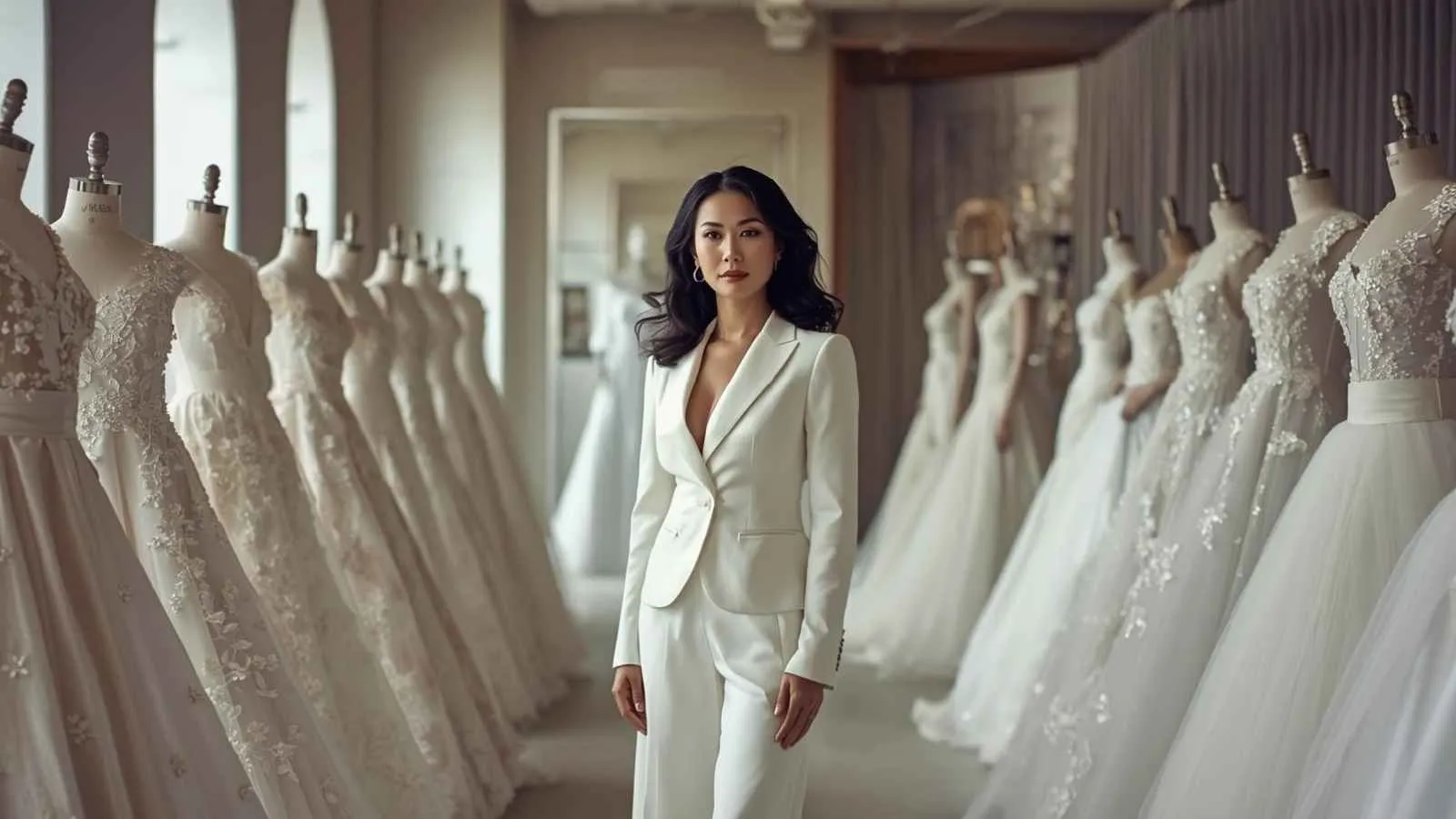
Vera Wang is more than a world-renowned fashion designer she is a powerful businesswoman who transformed the bridal industry and built a global luxury brand.
Best known for redefining modern wedding gowns, Wang’s name has become synonymous with elegance, innovation, and timeless style.
Over the decades, her creations have been worn by celebrities, royals, and brides across the world, cementing her status as one of the most influential designers of her generation.
As a result of her long-standing success, Vera Wang’s net worth has become a topic of growing interest among fashion enthusiasts and business observers alike.
From her early career at Vogue to launching her bridal label at the age of 40, Wang’s journey is a remarkable example of perseverance and strategic branding.
This article takes an in-depth look at Vera Wang’s net worth, exploring how she built her wealth, her key income sources, and the lasting impact of her fashion empire.
Vera Wang Net Worth Overview
As of recent estimates, Vera Wang’s net worth is approximately $650 million, placing her among the wealthiest and most successful fashion designers in the world. Her impressive fortune is the result of more than three decades of strategic brand building, creative leadership, and smart business expansion. Unlike many designers who rely solely on couture or runway collections, Wang diversified her income streams early, allowing her wealth to grow steadily over time.
Vera Wang’s net worth did not accumulate overnight. In the early stages of her career, her earnings were modest, particularly when she first launched her bridal boutique in 1990. However, as her designs gained popularity among high-profile clients and celebrities, demand for her gowns surged. This momentum helped establish her brand as a dominant force in luxury bridal fashion.
Over the years, Wang expanded beyond custom wedding dresses into ready-to-wear collections, accessories, fragrances, home décor, and licensing agreements with major retailers. These ventures significantly increased her annual revenue while strengthening brand visibility worldwide. Licensing, in particular, has played a critical role in scaling her wealth without requiring full operational control of every product line.
When compared to other designers in the luxury fashion industry, Vera Wang stands out for building her fortune largely through bridal wear a niche she helped modernize and globalize. Today, her net worth reflects not only financial success but also the long-term value of a brand that continues to influence fashion trends across generations.
Early Life and Background
Vera Ellen Wang was born on June 27, 1949, in New York City, to Chinese immigrant parents who placed a strong emphasis on education, discipline, and cultural refinement. From an early age, Wang was exposed to art, music, and fashion, influences that would later shape her design aesthetic. Her parents supported her interests wholeheartedly, enrolling her in elite schools and extracurricular activities that encouraged creativity and excellence.
Before entering the fashion world, Wang pursued a career in competitive figure skating. She trained intensely throughout her teenage years and even competed at a national level. Although she narrowly missed qualifying for the U.S. Olympic team, the experience left a lasting impact on her life. The discipline, precision, and resilience required in figure skating would later translate into her professional work ethic and attention to detail in fashion design.
Academically, Wang attended Sarah Lawrence College, where she studied art history. This educational background refined her appreciation for design, structure, and visual storytelling. Shortly after graduating, she entered the fashion industry by joining Vogue, marking the beginning of her professional journey.
While her early years were marked by setbacks and redirections, these experiences ultimately prepared Wang for long-term success. Her upbringing, combined with her athletic discipline and artistic education, laid the foundation for a career that would later redefine bridal fashion and contribute significantly to her remarkable net worth.
Entry Into the Fashion Industry
Vera Wang’s professional journey in fashion began shortly after graduating from college when she joined Vogue magazine in 1971. At just 22 years old, she quickly rose through the ranks and became one of the youngest fashion editors in the publication’s history. During her 17-year tenure at Vogue, Wang developed a deep understanding of fashion trends, styling, and the business side of the industry. The experience also allowed her to build valuable relationships with designers, photographers, and industry leaders.
Despite her success at Vogue, Wang aspired to a more hands-on role in design. In 1987, she left the magazine to work for Ralph Lauren, where she served as a design director for accessories. This role gave her critical experience in brand development, product design, and luxury marketing. Working under Ralph Lauren further sharpened her business instincts and exposed her to the operational side of running a global fashion brand.
However, Wang faced a pivotal turning point when she was not selected for the editor-in-chief position at Vogue. Rather than allowing this setback to define her, she used it as motivation to pursue her own creative vision. These early career challenges played a key role in shaping her determination and entrepreneurial mindset.
Her years at Vogue and Ralph Lauren provided the foundation necessary to launch her own label. The editorial expertise, industry connections, and brand-building knowledge she gained during this period directly contributed to her future success and the substantial net worth she would eventually accumulate.
Founding the Vera Wang Brand
Vera Wang founded her namesake fashion brand in 1990, marking a defining moment in her career. At the age of 40, Wang entered the bridal market with a clear vision: to modernize wedding gowns by blending high fashion with timeless elegance. Her inspiration came from personal experience — when searching for her own wedding dress, she found the existing options outdated and uninspiring. This gap in the market motivated her to create something entirely new.
With financial backing from her father, Wang opened her first bridal boutique at the Carlyle Hotel in New York City. The boutique featured sophisticated designs that broke away from traditional bridal norms, introducing sleeker silhouettes, luxurious fabrics, and couture-level craftsmanship. While the early years were financially challenging, Wang remained committed to her creative direction.
The brand’s breakthrough came as fashion-forward brides and celebrities began gravitating toward her designs. Word-of-mouth, media exposure, and red-carpet appearances helped elevate the label’s profile. Vera Wang bridal gowns soon became symbols of luxury and status, appealing to clients seeking individuality and refinement.
By positioning her brand at the intersection of couture and bridal wear, Wang carved out a niche that few designers had explored. This strategic differentiation laid the groundwork for long-term success. The launch of her brand not only established her as a leading designer but also marked the beginning of a global fashion empire that would significantly contribute to Vera Wang’s growing net worth.
Vera Wang Bridal Empire
The Vera Wang bridal empire is the cornerstone of her immense success and a major contributor to her net worth. From the beginning, Wang’s bridal designs stood apart for their modern sophistication, architectural lines, and innovative use of fabrics. She redefined what a wedding gown could look like, appealing to brides who wanted something fashion-forward rather than traditional.
Vera Wang wedding dresses are positioned firmly in the luxury market, with prices typically ranging from several thousand dollars to well over $20,000 for couture designs. This premium pricing reflects the craftsmanship, materials, and exclusivity associated with her brand. As demand grew, Wang expanded her bridal collections to include seasonal lines, custom couture pieces, and more accessible options through licensing partnerships.
Her gowns have been worn by numerous celebrities and public figures, including Victoria Beckham, Kim Kardashian, Ariana Grande, and Ivanka Trump. These high-profile weddings brought global attention to the brand, strengthening its prestige and desirability. Media coverage and celebrity endorsements played a key role in elevating Vera Wang to the top tier of bridal fashion.
Over time, the bridal empire expanded internationally, with boutiques and retail partners across major fashion capitals. Despite changes in fashion trends, Wang’s bridal designs have remained relevant by continuously evolving while preserving the brand’s core identity. Today, the Vera Wang bridal line remains one of the most recognizable and influential names in the industry, serving as the foundation of her long-lasting wealth and global reputation.
Expansion Beyond Bridal Fashion
While bridal wear remains the foundation of her brand, Vera Wang strategically expanded beyond wedding gowns to build a diversified fashion and lifestyle empire. Recognizing the limitations of relying on a single product category, Wang introduced ready-to-wear collections that showcased her signature aesthetic in a more versatile, everyday format. These collections allowed the brand to reach a broader audience while maintaining its luxury appeal.
In addition to apparel, Wang expanded into evening wear, creating sophisticated gowns frequently seen on red carpets and at major events. These high-profile appearances reinforced her reputation as a designer of elegance and modern glamour. Her designs became a favorite among celebrities, further increasing brand visibility and prestige.
Accessories also became a major pillar of the Vera Wang brand. She launched collections that included handbags, shoes, jewelry, eyewear, and watches. These items provided consumers with more accessible entry points into the brand, while generating consistent revenue streams. Fragrances and beauty products followed, capitalizing on the brand’s strong recognition and emotional connection with customers.
Beyond fashion and beauty, Wang entered the home and lifestyle market with products such as bedding, home décor, and fine china. This expansion transformed Vera Wang from a fashion label into a full lifestyle brand. By extending her name across multiple industries, Wang strengthened her financial stability and significantly increased her earning potential, contributing to the impressive net worth she holds today.
Licensing Deals and Retail Partnerships
Licensing deals have played a crucial role in expanding Vera Wang’s brand reach and significantly boosting her net worth. Rather than manufacturing and distributing every product herself, Wang adopted a licensing strategy that allowed trusted partners to produce and sell goods under the Vera Wang name. In return, she earned substantial royalty income while maintaining creative oversight and brand integrity.
One of the most notable partnerships was with major retailers such as David’s Bridal, which offered more affordable Vera Wang wedding dresses to a wider audience. This move made her designs accessible to middle-market consumers without diluting the prestige of her high-end couture line. Similarly, collaborations with retailers like Kohl’s helped introduce Vera Wang products in categories such as apparel, accessories, and home goods to mass-market shoppers.
These licensing agreements allowed the brand to scale globally with minimal operational risk. By leveraging established retail networks, Wang expanded into international markets efficiently and profitably. Licensing also provided consistent, recurring revenue, which is especially valuable in an industry often affected by seasonal demand and changing trends.
From a business perspective, licensing enabled Wang to focus on design and brand strategy while partners handled production, logistics, and retail operations. This model proved highly effective, transforming Vera Wang into a globally recognized lifestyle brand. Over time, royalties from licensing became one of the most reliable contributors to her wealth, reinforcing her status as both a creative visionary and a savvy entrepreneur.
Business Strategy and Brand Management
Vera Wang’s long-term success is rooted in a carefully balanced business strategy that combines luxury positioning with strategic accessibility. From the beginning, Wang understood the importance of preserving the prestige of her brand while still finding ways to scale it globally. She achieved this by clearly separating her high-end couture collections from more affordable licensed products, ensuring that exclusivity and mass appeal could coexist.
As Founder and Creative Director, Wang has maintained strong creative control over her brand’s image, design language, and overall direction. This consistency has helped establish a recognizable aesthetic that resonates across bridal wear, ready-to-wear, accessories, and lifestyle products. Her ability to adapt to evolving fashion trends while staying true to her core identity has kept the brand relevant for decades.
Brand management has also played a key role in her financial growth. Strategic marketing, high-profile runway shows, and celebrity placements have reinforced the brand’s aspirational image. At the same time, Wang has been selective with partnerships, choosing collaborators that align with her vision and standards.
Another critical aspect of her strategy is longevity. Unlike many designers who experience short-lived success, Wang built a brand designed to endure. By diversifying product categories, expanding internationally, and leveraging licensing, she minimized risk and stabilized revenue. This disciplined, forward-thinking approach to brand management has been instrumental in growing and sustaining Vera Wang’s net worth over time.
Investments and Real Estate Holdings
In addition to her fashion empire, Vera Wang has strengthened her net worth through strategic investments and high-value real estate holdings. Like many successful entrepreneurs, Wang diversified her assets beyond her core business to ensure long-term financial stability and wealth preservation. Real estate, in particular, has played a notable role in her investment portfolio.
Over the years, Wang has owned and resided in several luxury properties, including high-end residences in New York City and California. These properties are not only personal homes but also valuable assets located in prime real estate markets. Such investments tend to appreciate over time, adding significant value to her overall net worth.
While Wang is relatively private about her investment strategy, it is widely understood that her wealth extends beyond fashion-related income. She has reportedly invested in financial instruments and business ventures that align with her long-term goals and risk tolerance. This approach allows her to generate passive income while protecting her fortune against fluctuations in the fashion industry.
Real estate investments also complement her brand image, reinforcing the lifestyle of elegance and sophistication associated with the Vera Wang name. By diversifying her financial interests, Wang reduced reliance on seasonal fashion cycles and market volatility. These strategic decisions highlight her financial acumen and contribute to the sustained growth of her wealth, further solidifying her status as one of the most successful designers in the world.
Awards, Honors, and Industry Recognition
Throughout her illustrious career, Vera Wang has received numerous awards and honors that recognize her influence on the fashion industry and her contributions to design. These accolades not only celebrate her creative talent but also reinforce the prestige and commercial value of the Vera Wang brand. Industry recognition has played a significant role in elevating her profile and strengthening her long-term earning potential.
One of Wang’s most notable achievements is receiving the Council of Fashion Designers of America (CFDA) Lifetime Achievement Award, one of the highest honors in American fashion. This award acknowledged her groundbreaking work in bridal design and her lasting impact on the industry. She has also been honored with the Geoffrey Beene Lifetime Achievement Award, further cementing her legacy as a fashion pioneer.
Beyond industry awards, Wang has been recognized by cultural and business institutions for her entrepreneurial success. Her work has been featured in major museums and exhibitions, highlighting the artistic value of her designs. Media recognition, including frequent appearances in fashion publications and television programs, has helped maintain her relevance across generations.
These honors enhance brand credibility, making Vera Wang a trusted and aspirational name in luxury fashion. Awards and recognition not only validate her creative vision but also contribute indirectly to her net worth by increasing brand demand, licensing opportunities, and global influence. Together, they underscore why Vera Wang is regarded as one of the most respected and enduring figures in the fashion world.
Frequently Asked Questions (FAQs)
How much is Vera Wang’s net worth?
Vera Wang’s net worth is estimated to be around $650 million. Her wealth comes from decades of success in the fashion industry, including her luxury bridal collections, ready-to-wear lines, licensing deals, and investments.
Is Vera Wang a billionaire?
No, Vera Wang is not a billionaire. However, she is one of the wealthiest fashion designers in the world and ranks among the most successful self-made designers in the luxury fashion space.
How does Vera Wang make her money?
Vera Wang earns money through multiple income streams, including bridal couture, ready-to-wear fashion, accessories, fragrances, home goods, and licensing agreements with major retailers. Royalties from licensing deals make up a significant portion of her annual income.
How much do Vera Wang wedding dresses cost?
Vera Wang wedding dresses typically range from $5,000 to over $20,000, depending on the collection and level of customization. Couture gowns can cost significantly more.
Does Vera Wang still design dresses?
Yes, Vera Wang remains actively involved in her brand as Founder and Creative Director. She continues to influence design direction and oversee major collections.
Why is Vera Wang so successful?
Vera Wang’s success stems from her ability to modernize bridal fashion, build a globally recognized brand, and diversify her business through smart licensing and brand management strategies.
At what age did Vera Wang become successful?
Vera Wang launched her bridal brand at age 40, proving that success can come later in life with persistence, experience, and strategic vision.
Conclusion
Vera Wang’s journey from fashion editor to global design icon is a powerful example of how creativity, resilience, and strategic thinking can lead to extraordinary success. With an estimated net worth of around $650 million, she has built far more than a fashion label she has created a lasting luxury empire.
By redefining bridal wear, expanding into multiple product categories, and leveraging smart licensing partnerships, Wang transformed her name into a globally recognized brand.
Her story is particularly inspiring because her biggest success came later in life, proving that timing and experience can be just as important as talent.
Beyond financial figures, Vera Wang’s legacy lies in her influence on modern fashion and her ability to adapt in a constantly evolving industry.
As her brand continues to grow and remain relevant, Vera Wang’s net worth stands as a testament to decades of innovation, dedication, and visionary leadership.