Hey! 😅 I have to share this weird experience I recently went through. I came across a situation that was kind of scary, and I didn’t know what to do at first.
I was reading about different types of crimes when I stumbled upon arson, and I realized I had no idea what it actually meant. I knew it was important for me to understand it properly because knowledge helps me stay aware and safe.
I dug deeper, and I discovered how arson can affect people and property, and more importantly, how I could handle such situations safely.
🧠 What Does Arson Mean in Text?
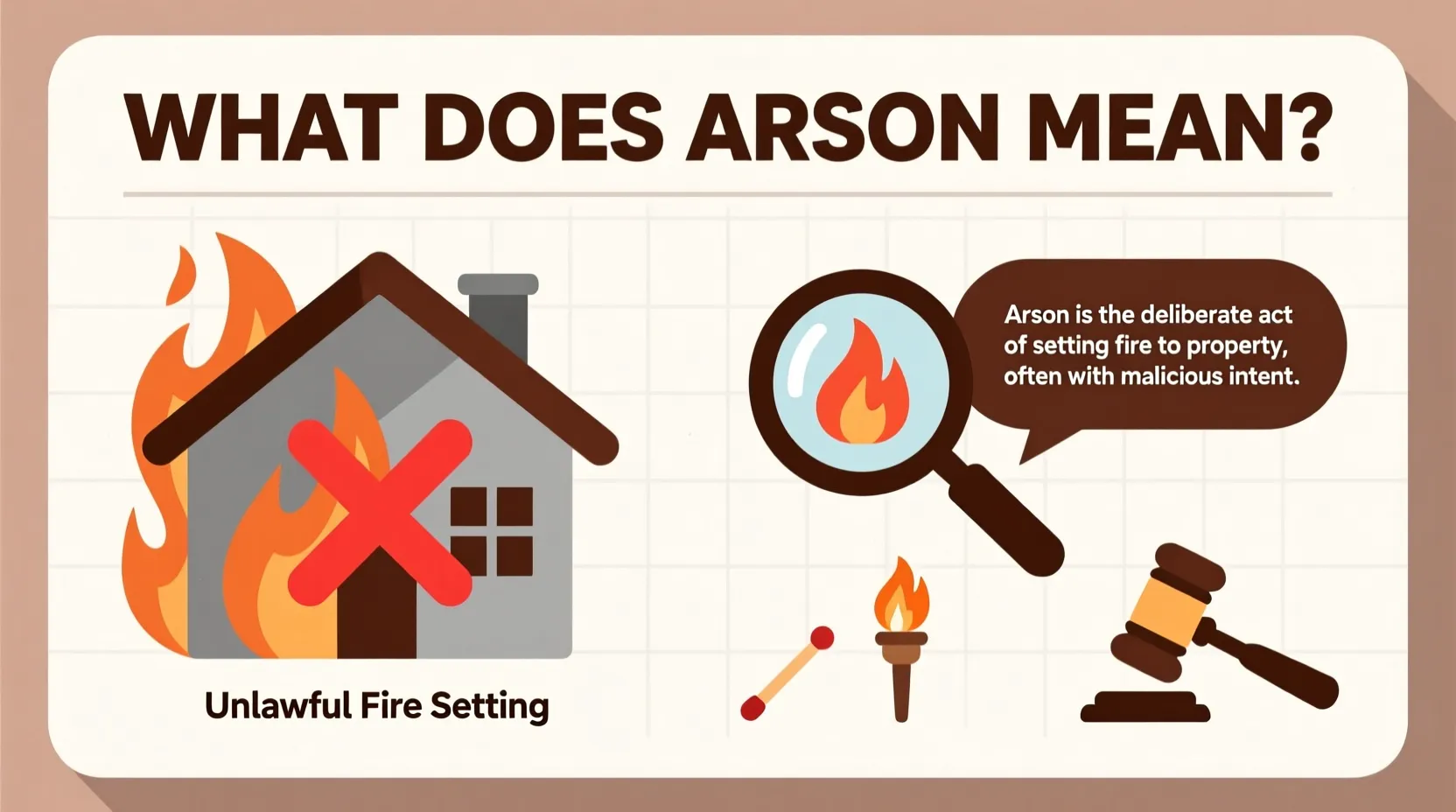
Arson refers to intentionally starting a fire to damage property. In everyday language, it’s usually linked to criminal activity and is not something to joke about lightly.
Example:
- “The old warehouse burned down last night—it’s suspected to be arson.”
In short: Arson = Deliberate fire-setting = Intentionally setting fire to property.
While it’s not a casual slang word like “LOL” or “brb,” some people might use it metaphorically online, for example, saying a hot party or event “was arson” to exaggerate that it was intense or “lit.” But always remember, its literal meaning is serious.
📱 Where Is Arson Commonly Used?
While arson isn’t typical texting slang, you might see it in:
- 📰 News headlines: “Suspected arson in downtown area”
- 📲 Social media discussions about fires or crime
- 🎮 Gaming chats when describing virtual fire-related events (rare)
- 🏛️ Legal or academic texts
Tone: Serious, formal, or cautionary. It’s not casual or flirty, so avoid using it jokingly in personal chats unless it’s obvious you mean it metaphorically.
💬 Examples of Arson in Conversation
Even though it’s rarely used as slang, here are some realistic ways arson might appear in texting or online chats:
- A: “Did you see the news?”
B: “Yeah… that warehouse fire is suspected arson 😳” - A: “Somebody set the playground on fire??”
B: “Crazy… sounds like arson” - A: “Why would anyone do this?”
B: “Idk… arson is sadly a thing” - A: “The abandoned house burned down last night”
B: “Arson? That’s awful 😢” - A: “Report says it’s accidental”
B: “Phew… not arson then”
Tip: Use it literally for serious discussions or metaphorically only with clear context.
🕓 When to Use and When Not to Use Arson
✅ When to Use:
- Talking about actual fires deliberately started
- Reporting or discussing news or crime
- Academic or legal discussions
❌ When Not to Use:
- Casual jokes or flirty texts
- Misusing it to describe minor incidents
- Formal professional messages unrelated to fire
| Context | Example Phrase | Why It Works |
|---|---|---|
| Friend Chat | “That party was arson 🔥” | Metaphorical, casual, playful |
| Work Chat | “The investigation revealed arson” | Clear & factual, professional |
| News Article | “Authorities suspect arson” | Accurate, formal, informative |
| “Please review the arson case files” | Formal, legal, clear |
🔄 Similar Slang Words or Alternatives
| Slang/Word | Meaning | When to Use |
|---|---|---|
| Fire | Very exciting/intense | Casual, playful social media |
| Lit | Amazing, energetic | Casual texting |
| Blaze | Big fire, intense situation | Gaming chats, descriptive |
| Burn | Strong insult or joke | Casual, humorous |
| Wildfire | Spreading quickly | Social media, metaphorical use |
Note: These alternatives are mostly metaphorical and casual, unlike the literal and serious “arson.”
❓ FAQs
Q1: Can I use arson as slang in texting?
- Rarely. It’s serious by default. Metaphorical use is possible if context makes it clear (like “that concert was arson 🔥”).
Q2: Is arson a crime?
- Yes. Setting fires deliberately is illegal and punishable by law.
Q3: Can “arson” mean something fun online?
- Only in a metaphorical sense, like describing excitement, but it’s uncommon.
Q4: How is arson different from “burn”?
- “Burn” can be playful or insulting. “Arson” is literal and legal, referring to property damage.
✅ Conclusion
In summary, arson means deliberately setting fire to property. While it’s mostly serious and formal, some people might use it metaphorically online. Always consider your audience: in casual texting, it’s safer to stick with lighter alternatives like “lit” or “fire” to avoid confusion. Understanding the context ensures you communicate clearly without accidentally sounding alarming or inappropriate.