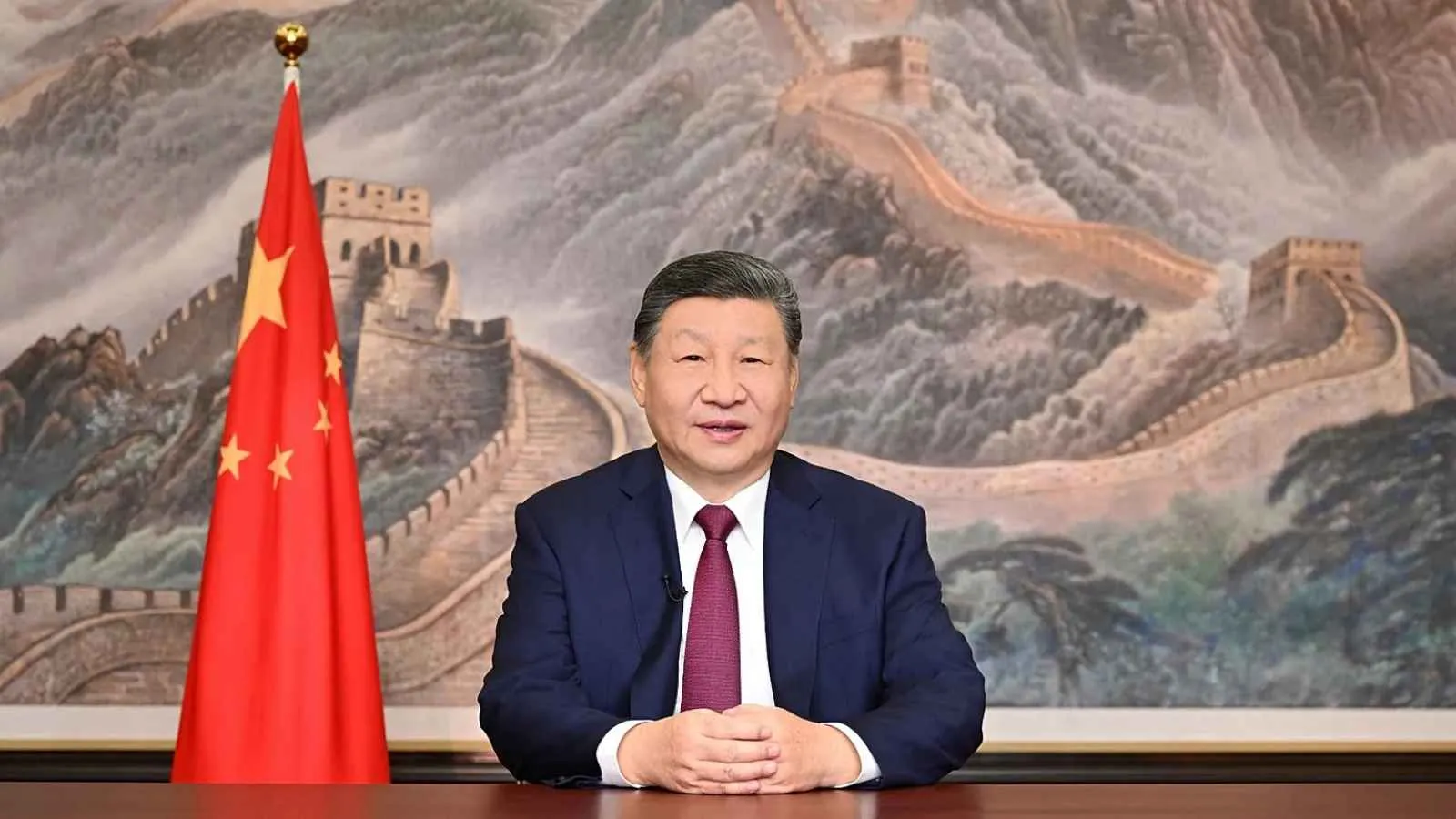
Xi Jinping, China’s President and General Secretary of the Communist Party, is one of the most powerful figures in the world today. While his political influence is undeniable, questions about his personal wealth continue to spark curiosity and debate. Unlike leaders in some countries whose salaries and assets are publicly disclosed, Xi’s financial profile remains largely opaque, making it difficult to determine his exact net worth. Officially, Chinese leaders earn a modest government salary, but speculation about Xi’s wealth often points to family connections, real estate holdings, and business relationships that are hard to verify. Analysts, journalists, and the public alike attempt to piece together clues, yet concrete evidence is scarce. This article explores all aspects of Xi Jinping’s financial life—from official earnings to alleged wealth—providing context on why transparency is limited and how power, influence, and money intertwine in the world’s most populous nation.
Official Sources of Income
Despite being the world’s most powerful leader, Xi Jinping’s official income is relatively modest compared to the wealth often attributed to him in media speculation. According to publicly available information, the salary of China’s President is set by the government and includes a base monthly wage, allowances, and benefits for official duties. Reports suggest that the president earns roughly $22,000 to $30,000 annually, a figure that is small when compared to Western leaders or global billionaires. However, this number does not fully capture the perks and privileges of holding the highest offices in China.
Xi’s position as General Secretary of the Communist Party and Chairman of the Central Military Commission provides extensive access to state resources. Official residences, transportation, security, and healthcare are all provided by the state, which significantly reduces personal expenses. Additionally, international travel and diplomatic representation costs are covered by the government, further enhancing the standard of living beyond the nominal salary.
It is important to note that while the official salary is transparent, the Chinese political system does not require leaders to disclose all personal or family assets publicly. This makes it difficult to separate what is “official income” from what might be controlled indirectly through family, associates, or state-affiliated investments. Understanding Xi Jinping’s financial picture requires considering both his modest salary and the broader benefits and privileges associated with his political office.
Family and Personal Assets
While Xi Jinping’s official income is modest, speculation about his personal wealth often centers on family connections and alleged holdings. Xi comes from a politically prominent family; his father, Xi Zhongxun, was a revolutionary leader and vice-premier of China. Over the years, international media and investigative reports have suggested that the Xi family may have accumulated significant wealth through business relationships and stakes in various enterprises, though much of this remains unverified and speculative.
Reports have linked members of Xi’s extended family to real estate investments, corporate shares, and international assets. For example, some analysts allege involvement in private companies, particularly in sectors like energy, finance, and technology. However, the opaque nature of Chinese politics and strict media control make it nearly impossible to confirm these claims with certainty. Any publicly reported numbers should therefore be treated with caution.
In addition to family-linked assets, Xi’s personal property holdings are largely undisclosed. The Chinese political system does not require top officials to reveal all private wealth, and anti-corruption laws have increased scrutiny on financial activities, making clandestine holdings less visible.
Ultimately, while the exact value of Xi Jinping’s personal or family assets is unknown, it is clear that his influence extends beyond official salary, and power itself may provide indirect access to wealth and opportunities. Analysts caution against taking speculative reports at face value, emphasizing that much of what circulates in the media remains alleged rather than confirmed.
Speculative Estimates
Much of the intrigue surrounding Xi Jinping’s wealth comes from speculative estimates rather than verified facts. International media, financial analysts, and investigative journalists have attempted to piece together a picture of Xi’s potential net worth, often drawing on family ties, historical property holdings, and the business dealings of associates. These estimates vary widely, ranging from a modest sum consistent with his official salary to alleged fortunes in the billions, though none have been independently verified.
Some reports suggest that the Xi family has indirect stakes in companies spanning real estate, technology, and finance. Analysts note that, in China, influential families may benefit from preferential access to lucrative contracts, though formal ownership may be obscured to comply with party regulations. Additionally, allegations of offshore holdings and secret investments circulate in international publications, but evidence is largely circumstantial.
For context, comparisons to other world leaders help highlight the uncertainty. While leaders like Vladimir Putin and certain members of royal families have widely debated wealth, Xi’s financial profile is far more opaque due to China’s political structure and media restrictions.
It is critical to approach these speculative figures cautiously. Analysts stress that power and influence in China may be more valuable than direct monetary wealth, as political authority can translate into control over state resources and opportunities unavailable to ordinary citizens. Therefore, any attempt to estimate Xi Jinping’s net worth remains largely conjectural, relying on incomplete information and assumptions about the intersection of politics, family influence, and business interests.
Political Context
Understanding Xi Jinping’s net worth requires examining the political environment in which he operates. In China, wealth is often intertwined with political power, and the structure of the Communist Party ensures that personal financial disclosures are limited. Unlike democratic countries, where leaders’ salaries, investments, and tax returns are publicly available, China’s top officials are subject to internal reporting systems, making their personal finances largely opaque to the public.
Xi’s position as General Secretary, President, and Chairman of the Central Military Commission grants him unparalleled authority over state affairs. This political power can provide indirect access to resources and opportunities that might translate into wealth, even if not reflected in an official salary. For example, family members and trusted associates may engage in business ventures that benefit from their connection to the leadership, though these holdings are rarely documented publicly.
Anti-corruption campaigns under Xi have added a layer of complexity to the perception of wealth. While these campaigns target misuse of public funds and illegal enrichment, they also serve to reinforce control over political elites. This has led to greater scrutiny of officials’ finances, but top leaders themselves remain largely shielded from disclosure requirements.
Additionally, the party system prioritizes loyalty and centralized control over transparency. Wealth accumulation by leaders or their families is often kept confidential to maintain stability and protect the image of the party. As a result, assessing Xi Jinping’s true net worth is not only a matter of financial investigation—it is intrinsically tied to China’s political structure, where influence can outweigh official earnings.
Public Perception and Global Impact
The perception of Xi Jinping’s wealth varies significantly between domestic and international audiences. Within China, official media emphasizes modesty and public service, portraying Xi as a leader whose lifestyle is in line with party ideals. This narrative reinforces the legitimacy of his leadership and aligns with the broader political messaging of the Communist Party. Public knowledge of any personal or family wealth is limited, and independent reporting on such matters is tightly controlled, shaping citizens’ understanding and limiting speculation.
Internationally, however, Xi’s net worth is a frequent subject of discussion among journalists, analysts, and policymakers. Western media outlets often highlight alleged family assets, property holdings, and business connections, creating a picture of significant, though largely unverified, wealth. This speculation is sometimes framed in the context of broader concerns about transparency, governance, and the influence of political elites in China.
Xi’s perceived wealth also carries implications for diplomacy and global politics. Wealth and influence are often conflated, leading foreign governments to consider not just his official position but also the potential reach of his personal and familial resources. Comparisons with other world leaders’ net worth further fuel curiosity, even if such comparisons are largely speculative and not directly relevant to political authority in China.
Ultimately, Xi Jinping’s financial profile both real and perceived shapes public perception and international narratives. While domestic citizens may view him as a modest, duty-driven leader, the global community often speculates about his wealth as a symbol of political power, highlighting the complex intersection of money, influence, and transparency.
Conclusion
Determining Xi Jinping’s net worth is a complex and often speculative endeavor. Officially, his salary as China’s president is modest, supplemented by state-provided benefits such as housing, transportation, healthcare, and security. These perks, while not cash income, contribute significantly to his standard of living and underscore how political positions in China confer privileges beyond official earnings.
Beyond salary, much attention has focused on alleged family wealth and personal assets. Reports suggest the Xi family may hold stakes in businesses, real estate, and other ventures, though these claims remain largely unverified due to the opacity of China’s political system. Analysts caution against relying on speculation alone, emphasizing that publicly reported figures often lack concrete evidence. In China, wealth and power are deeply intertwined, and influence can translate into indirect control over resources without appearing in official disclosures.
Xi’s financial profile cannot be understood without considering the broader political context. Anti-corruption campaigns, party regulations, and state secrecy all limit transparency, while power itself provides advantages that ordinary citizens cannot access. Domestic narratives portray him as a modest, duty-driven leader, whereas international observers often interpret allegations of wealth as a measure of political influence.
Ultimately, the true extent of Xi Jinping’s net worth may never be fully known. What is clear, however, is that in China, influence and authority often overshadow direct financial wealth, making Xi one of the most powerful individuals in the world, regardless of the balance in his personal accounts.